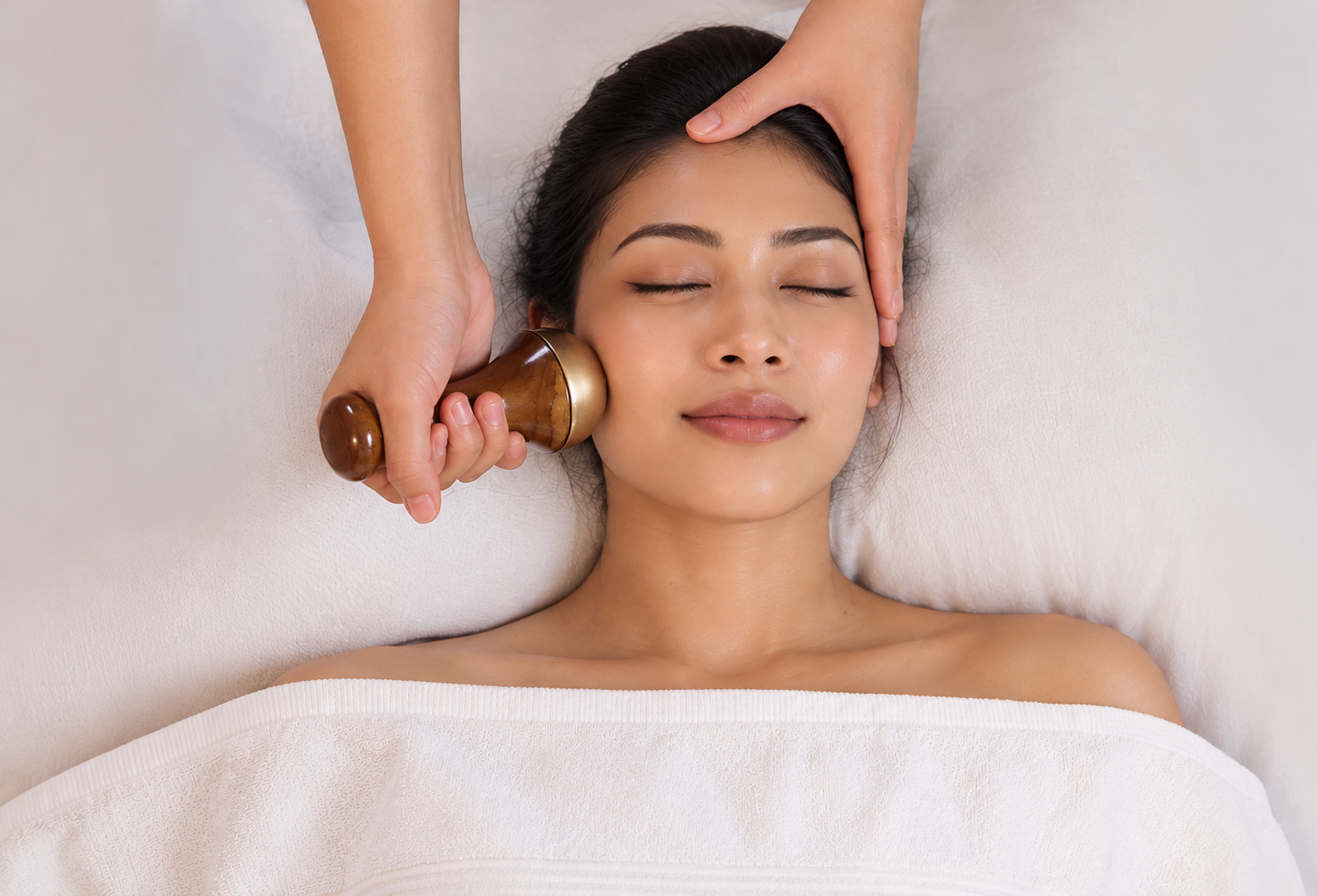
Importance of Ayurvedic Pulse Reading (Nadi Pariksha)
Ayurveda is a science of life, not just a system of treating disease; it is a science of understanding the individual.
Before beginning a deep detoxification therapy like Panchakarma, Ayurvedic physicians rely on a powerful diagnostic tool called Nadi Pariksha(pulse reading). This traditional method helps ensure that Panchakarma is safe, personalized, and effective.

What Is Nadi Pariksha?
Nadi Pariksha is a classical Ayurvedic diagnostic technique in which a trained practitioner assesses the pulse at the wrist to understand the balance of the three doshas: Vata, Pitta, and Kapha. Unlike simply counting heartbeats, Ayurvedic pulse reading interprets rhythm, strength, depth, and subtle qualities of the pulse.
According to Ayurveda, disease begins as an imbalance in the doshas long before physical symptoms become visible. Pulse diagnosis helps detect these imbalances at an early stage.
Why Pulse Reading Is Important Before Panchakarma
Panchakarma is a powerful cleansing and rejuvenation therapy designed to eliminate toxins (ama) from the body by guiding the clients with a customized diet, lifestyle modifications, exercises, and therapies.
Because Panchakarma is intensive, it cannot be administered the same way to everyone. This is where Nadi Pariksha becomes essential.
Personalized Treatment Planning
Pulse reading identifies the dominant dosha and current imbalances. For example:
• A Vata-dominant person may need gentle therapies.
• A Pitta imbalance may require cooling and soothing procedures.
• A Kapha excess may call for stronger elimination methods.
Without understanding this constitution (Prakriti) and current imbalance (Vikriti), Panchakarma could aggravate symptoms instead of healing them.
Assessing Strength and Suitability
Not everyone is fit for an intensive detox program ( Ayurvedic Panchakarma).Pulse diagnosis helps evaluate:
• Digestive strength (Agni)
• Vitality (Ojas)
• Mental state
• Organ function (from an Ayurvedic perspective)
If the body is weak, preparatory treatments (Purvakarma) are advised before the main detox procedures.
Early Detection of Imbalances
Pulse reading can identify subtle dysfunctions before lab tests detect disease. This preventive insight allows physicians to tailor Panchakarma to stop disease progression.
How Is It Safe?
Safety in Panchakarma depends on correct diagnosis. Nadi Pariksha enhances safety in several ways:
• Non-invasive: No needles, machines, or discomfort.
• Individualized approach:
• Continuous monitoring: Practitioners reassess the pulse throughout therapy to adjust procedures as needed.
By understanding the body's internal balance, Ayurvedic experts avoid over-cleansing or under-treating.
How It Differs from Conventional Examination Methods
Ayurvedic pulse focuses on imbalance, detecting functional disturbance. It is intuitive and sensory-based, and it is highly individualized.
While conventional tests measure physical markers, Nadi Pariksha evaluates energetic and functional changes in the body. Rather than replacing modern diagnostics, it complements them by offering a holistic assessment.
Experience Authentic Pulse Reading at Suvarnaveda Wellness Center
Suvarnaveda Wellness Center has an onboard expert dedicated to offering authentic Ayurvedic pulse reading facilities. With deep knowledge and clinical experience in Nadi Pariksha, our expert carefully evaluates each individual’s constitution and current health condition before recommending Panchakarma.
This personalized approach ensures that every detox program is safe, effective, and aligned with your body’s unique needs. Our commitment is not just to provide therapies but to guide you through a transformative healing journey grounded in the timeless wisdom of Ayurveda.
When Panchakarma begins with accurate pulse diagnosis under expert guidance, healing becomes a carefully designed path toward balance, vitality, and long-term wellness.
FAQs
Can pulse reading change from day to day?
While your core constitution remains stable, your current imbalance may shift due to stress, diet, sleep patterns, or seasonal changes. Regular assessment helps track these variations. To understand what applies to you specifically, consult an Ayurvedic expert before proceeding with treatment decisions.Is Nadi Pariksha only useful before Panchakarma?
No. Pulse assessment can also guide preventive care, dietary planning, and lifestyle corrections even if you are not planning detox therapy. However, the need and frequency of evaluation should always be discussed with a qualified practitioner before confirming any program.
Can children or elderly individuals undergo Nadi Pariksha?
Yes, as it is gentle and non-invasive, it can be performed across age groups. That said, suitability for therapies following the assessment varies by individual. Always consult an Ayurvedic physician before confirming any treatment plan.
How does stress affect the pulse?
Emotional states such as anxiety, anger, or fatigue may temporarily influence pulse qualities. An experienced practitioner distinguishes between temporary fluctuations and deeper imbalances. To ensure accurate interpretation, consult before confirming your assessment or therapy schedule.
How often should pulse diagnosis be done?
The frequency depends on your health goals, seasonal changes, and ongoing therapies. Your practitioner will guide you appropriately, so it is advisable to consult before confirming repeat assessments or treatment plans.
Does Nadi Pariksha assess mental and emotional well-being?
Ayurveda views health holistically, so pulse assessment may reflect patterns linked to both physical and emotional balance. For a deeper understanding of your specific condition, consult an experienced practitioner before confirming your wellness program.